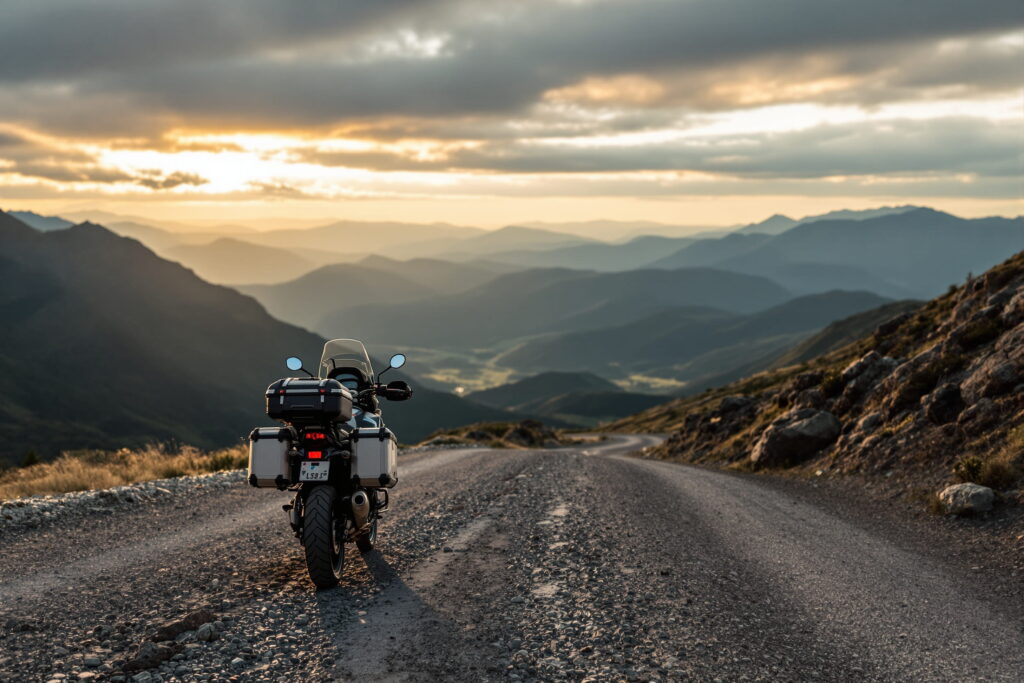
Riding alone brings unmatched freedom when logistics, safety, water, and navigation are planned properly. Adventure motorcycling strips away the noise of daily life. You set the pace. You decide when to stop, where to turn, and how long to linger at a scenic overlook. There is nobody else to consult, and this independence is exactly why so many riders crave solo trips.
However, the wilderness does not care about your desire for freedom. A mechanical failure, a sudden storm, or a wrong turn can quickly turn a dream ride into a serious ordeal. Being the only person responsible for your well-being means you must prepare thoroughly. You carry the burden of self-reliance entirely on your own shoulders. When you pack correctly and anticipate challenges, you buy yourself the mental space to actually enjoy the journey.
Understanding how to manage the unique demands of a solo trip will keep you safe and ensure you have a memorable experience. The following strategies will help you prepare for a successful solo motorcycle adventure.
Mastering Your Route and Daily Logistics
Building a solid itinerary forms the foundation of a safe trip. When you ride with a group, the collective energy often pushes you further down the road. Riding solo requires a different kind of discipline. You need to know your physical limits and plan your daily mileage accordingly.
Be Realistic About Mileage
A common mistake among new adventure riders is planning too many miles for a single day. Highway miles disappear quickly, but technical dirt roads or winding mountain passes demand intense physical and mental focus. Limit your off-road days to a manageable distance. Fatigue is a solo rider’s worst enemy, leading to poor decision-making and dropped bikes.
Plan Your Stops
Identify fuel stations, towns, and potential campsites ahead of time. In remote areas, fuel anxiety can ruin a beautiful ride. Calculate your motorcycle’s realistic range and mark every gas station on your route. If the distance between two stations stretches your tank’s capacity, carry extra fuel in secure auxiliary containers.
Maintain Flexibility
While having a plan is crucial, rigidly sticking to an itinerary can cause unnecessary stress. Weather changes rapidly in the mountains or desert. A road might be washed out. Allow buffer days in your schedule so you can wait out a storm or take an unexpected detour safely.
Prioritizing Safety and Emergency Protocols
Without a riding buddy to help pick up a heavy motorcycle or perform first aid, your safety net consists entirely of your gear and your preparation.
Dress for the Crash
Adhere strictly to the “all the gear, all the time” philosophy. Adventure riding gear should include CE-rated armor, abrasion-resistant materials, a high-quality full-face or dual-sport helmet, sturdy boots, and reinforced gloves. The right gear prevents minor spills from becoming trip-ending injuries.
Carry a Satellite Communicator
Cell phone service is notoriously unreliable in the backcountry. A satellite communication device is an absolute necessity for a solo rider. Devices like the Garmin inReach or Zoleo allow you to send text messages via satellite and feature an SOS button for life-threatening emergencies.
Share Your Itinerary
Always leave your route details with a trusted friend or family member. Give them specific instructions on what to do if you fail to check in by a certain time. A simple evening text via your satellite communicator provides peace of mind for your loved ones and ensures someone knows where to look if things go sideways.
Fueling Your Body for the Long Haul
Riding a motorcycle off-road is an athletic endeavor. Your body acts as part of the suspension, absorbing shocks and maneuvering hundreds of pounds of metal over unpredictable terrain.
Hydrate Continuously
Dehydration sneaks up on you, especially when wind constantly evaporates sweat from your skin. By the time you feel thirsty, you are already dehydrated. Wear a hydration bladder on your back so you can drink water easily while moving. In hot climates, consider adding electrolyte powder to your water to replace essential minerals lost through sweat.
Pack High-Energy Nutrition
Stop regularly to consume small, nutrient-dense snacks. Trail mix, jerky, energy bars, and dried fruit pack easily into a tank bag and provide sustained energy. Avoid heavy meals during the middle of the day. A massive lunch redirects blood flow to your digestive system, which causes drowsiness and slows your reaction time.
Navigating the Unknown
Getting lost adds to the adventure, but only if you have the means to find your way back. Relying on a single navigation method is a recipe for disaster.
Use Dedicated GPS Devices
A rugged, waterproof GPS unit designed for motorcycles is highly recommended. These devices withstand extreme vibrations and harsh weather better than a standard smartphone. Pre-load your GPX tracks before leaving home, and make sure you know how to read the interface.
Download Offline Maps
Smartphones remain excellent secondary navigation tools. Apps like onX Offroad or Gaia GPS offer incredibly detailed topographical maps. Because these apps rely on cellular data by default, you must download the necessary map quadrants for offline use before losing service.
Carry Paper Maps
Electronics fail. Screens crack, charging ports gather dust, and batteries die. A waterproof paper map of the region requires no batteries and provides a fantastic macro view of the landscape. Keep a map tucked away in your luggage as your ultimate backup plan.
The Open Road Awaits
Taking on a solo motorcycle trip might seem intimidating at first. The preparation phase requires time, money, and a healthy dose of humility. You have to look objectively at your skills and plan for worst-case scenarios.
Yet, the reward far outweighs the effort. Out on the trail, you will discover a profound sense of self-reliance. You will solve problems on your own, meet fascinating people, and experience landscapes entirely on your own terms. Prepare your gear, study your route, and embrace the solitude. The ultimate adventure is waiting just outside your front door.